- Prepare old cone steer.
- To prevent damage, the old cone steer is covered with a used cone steer before being hit.
- Hit it gently until it is completely inserted, indicated by the sound changing to heavy (tak tak).

A collection of curated tutorials and step-by-step guides to help you learn new things and solve problems. Support creator by watching the video.
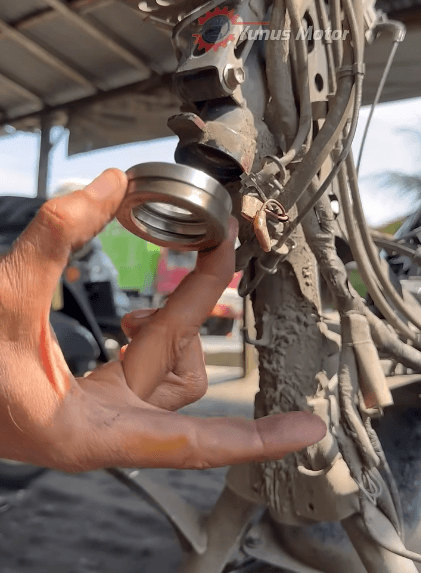
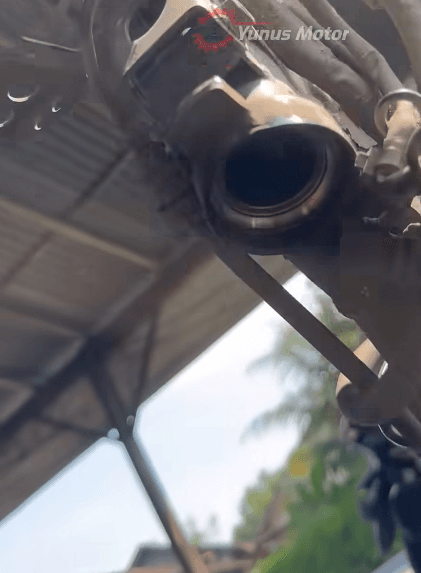
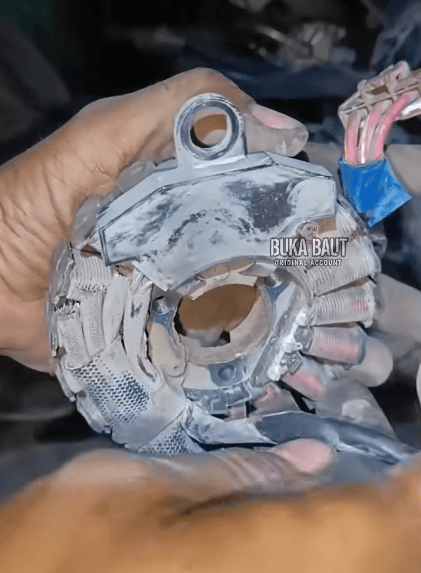
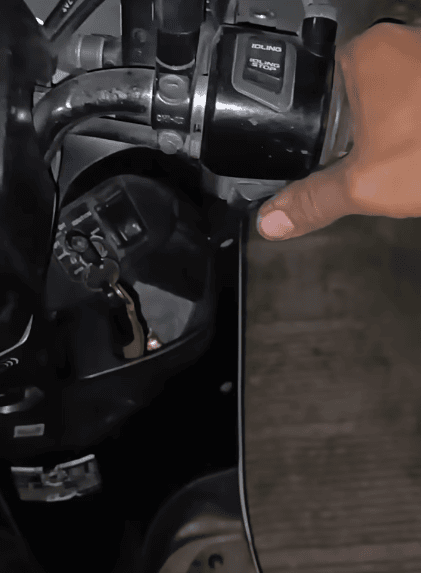
- Check all cables to ensure there are no problems, such as breaks.
- The problem is with the CKP sensor, which is weak.
- Replace it with a new one, problem solved.
- The motorcycle returns to normal and is easy to start.
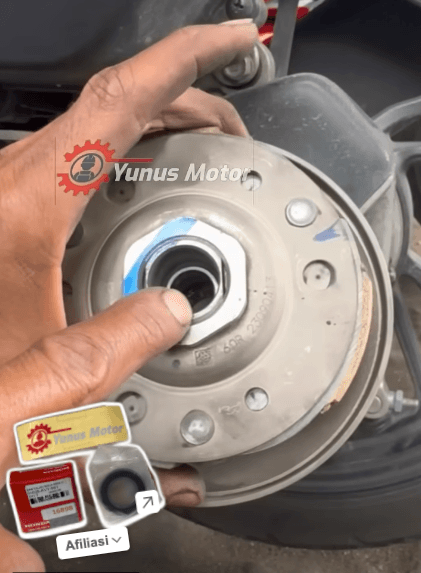
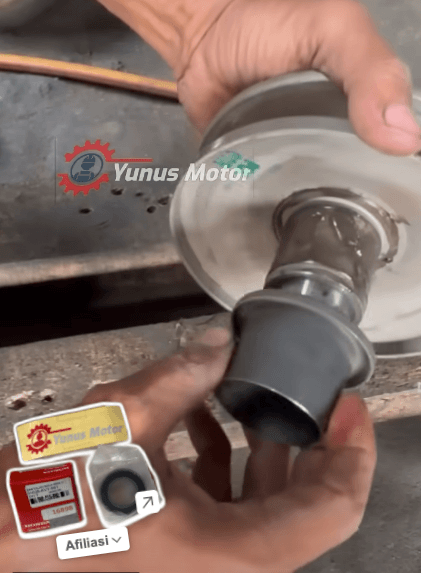
- Remove the double clutch nut using a 39 x 41 wrench.
- Remove the pins on the pulley, there are three of them.
- Remove the bamboo shell by tapping it from the top of the pulley hole using a T-spanner (if you don't have a special tracker).
- Remove the locking stud or clip (check inside the hole).
- Tap again with the T-spanner until the large shell comes loose.
- To reinstall it, use the same sequence as when removing it.
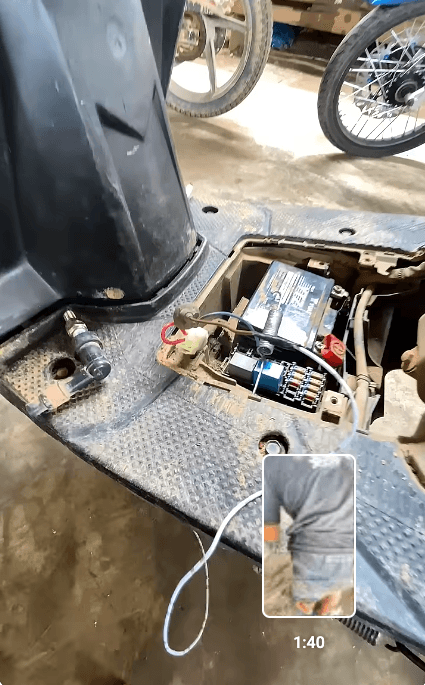
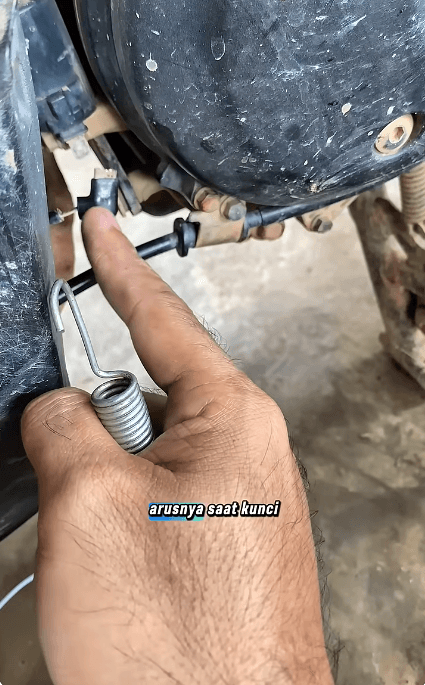
- HONDA Beat injection
- All parts have been checked including the fuse
- There's no electricity coming from the coil at all
- The fuel pump is working normally
- The MIL code shows no signs of damage to the injection system
- It turns out there's no 12-volt current going to the coil at all - Normally, when the key is turned on, 12 volts flow into the coil.
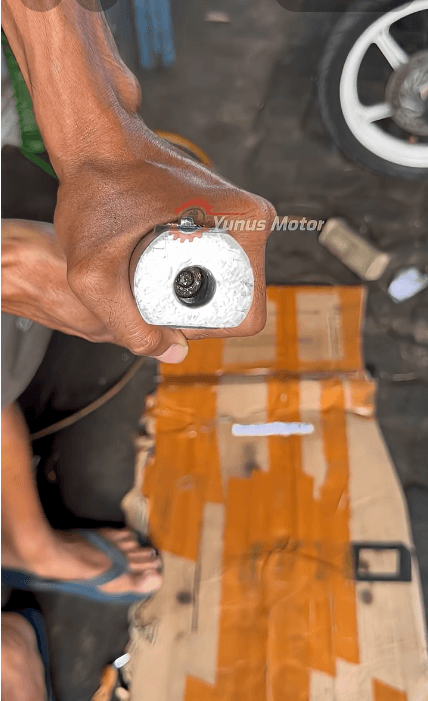
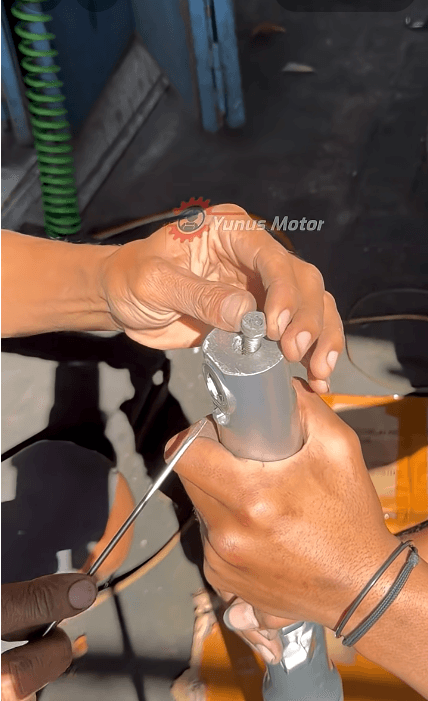
- Use a used impact screwdriver bit
- Shape the tip to resemble the size of the shock absorber bolt but with a cone shape
- Insert it into the shock absorber bolt and tap it firmly
- Attach the impact screwdriver handle
- Hit while turning
- Don't use out-of-town plates; administrative matters are usually difficult.
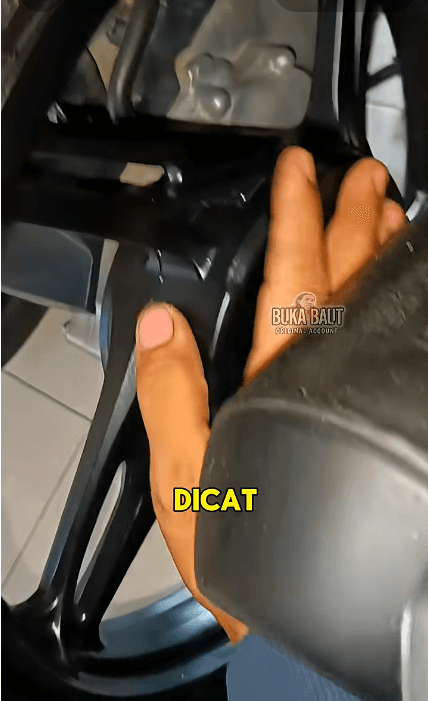
- Avoid rough engine noises and repainting marks.
- Check both tires for proper thickness.
- Ensure the oil isn't dry.
- Plug the exhaust pipe to make sure it's dry.
- Check the bodywork is still original.
- Check if it's been dropped. Check the handbrake handle and handlebar ends.
- Check that the front shock absorbers are dry and there are no oil leaks.
- Check the frame above the front wheels for rust or corrosion.
- Low mileage.
- Full throttle to ensure there's no white smoke coming out.
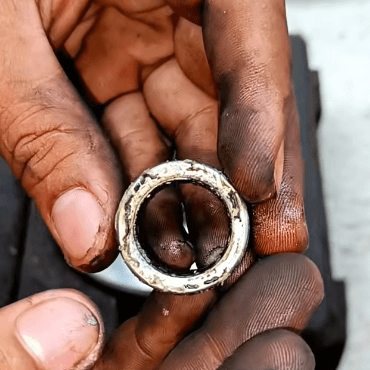
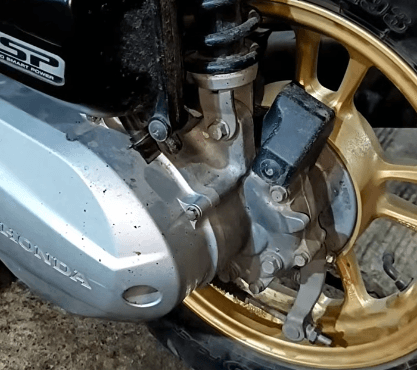
- Rear wheel produces a rough grinding noise while driving
- Noise is more noticeable at low speeds and during acceleration
- Vehicle feels weaker than usual when pulling or accelerating
- Feels like there is extra resistance coming from the rear side
- Please inspect the entire rear wheel assembly thoroughly